We often think of self-care as a luxury — something we feel needs an occasion. But modern research points toward a different way of looking at well-being.
Your body needs routine opportunities to rest and regulate stress — not a “magical” recovery retreat for one single day.
That is where the idea of preventative self-care comes in, and it closely aligns with Pamper Valley Spa’s philosophy. We believe wellness should be an integral part of everyone’s life — not something you wait for your body to demand. Because your body keeps score of your lifestyle, including the mental, physical and emotional stress you carry.
Your nervous system responds to ongoing demands by changing heart rate, muscle tension, sleep patterns, hormones and other physiological processes. When stress becomes a constant part of life, recovery becomes increasingly important.
Even though the human body is designed to respond to stress, the real concern is what happens when there is too little recovery to balance the stressful times. That is why wellness researchers look at the bigger picture: physical activity, sleep, nutrition, social connection, mental health and recovery all work together.
A 2025 systematic review of 35 randomized controlled trials and roughly 25,000 participants found that a range of lifestyle interventions were associated with improvements across cardiovascular health, physical function, mental health, sleep and overall well-being. In other words, well-being is built from consistent habits.
Massage isn't just about relaxation
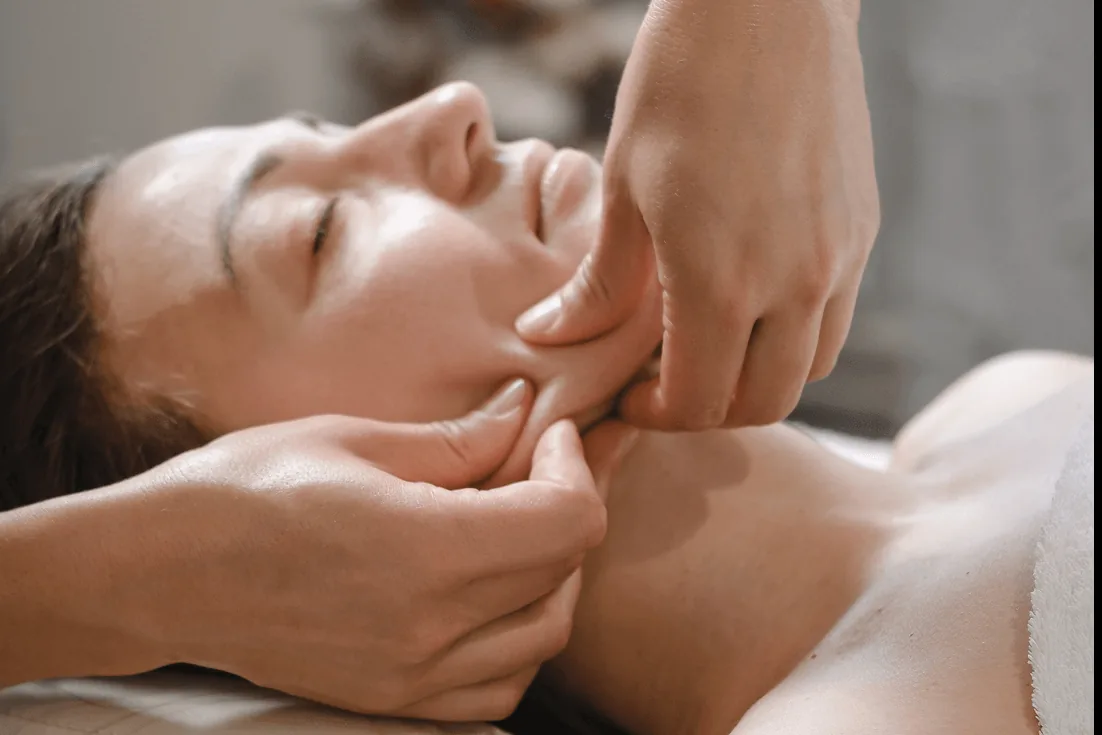
An analysis published in the Psychological Bulletin examined 37 randomized studies and found that even a single massage session was associated with reductions in measures such as state anxiety, blood pressure and heart rate.
Research has also explored massage as part of managing musculoskeletal discomfort.
This is important because massage shouldn’t be viewed as a treatment for every health problem — but a massage can give you an opportunity to pause, reduce physical tension, become more aware of your body and intentionally make time for recovery.
Often, making time to recover is exactly what our bodies are missing.
Movement keeps the body capable
One of the most powerful forms of preventative wellness is also one of the simplest: move your body.
The World Health Organization recommends that adults get at least 150–300 minutes of moderate-intensity aerobic activity per week, or 75–150 minutes of vigorous activity, along with muscle-strengthening activities at least two days per week. Regular physical activity is associated with benefits for cardiovascular health, mental health, sleep, cognitive health and the prevention and management of several chronic diseases.
But your muscles, joints and nervous system don’t only need stimulation — they also deserve downtime to recover from sitting, working, exercising, commuting, standing and repeating the same movements every single day.
That is one reason many people incorporate massage and other forms of bodywork into their wellness routines.
Let's talk about cortisol
You may have heard that massage “lowers cortisol.” While some research has examined this question, the scientific story is more complex.
Cortisol is a hormone involved in the body’s stress response, but it is not simply a “bad” hormone. Your body naturally produces cortisol throughout the day, and it plays important roles in metabolism, immune function and helping the body respond to stress.
A quantitative review specifically investigating the relationship between massage and cortisol found that the effects were generally small and, in most cases, not statistically distinguishable from zero. The researchers concluded that cortisol reduction alone could not explain the beneficial effects sometimes observed with massage.
That is an important lesson in wellness: well-being is far more complicated than simply trying to lower cortisol. Stress affects multiple systems throughout the body, and relaxation involves a much larger network of physical and psychological responses.
Rather than promising that one massage will “reset your cortisol,” it may be more accurate to think of massage as one component of a broader recovery practice.
Beneficial for the Heart
Blood pressure is another area where massage research has produced mixed findings.
Earlier research found reductions in blood pressure and heart rate following massage, but blood pressure is influenced by many factors — including physical activity, diet, sleep, stress, genetics, body composition and other aspects of health. That is why we never tell clients that massage “treats high blood pressure.”
But there is a valuable takeaway: your cardiovascular health is influenced by your overall lifestyle, and stress management and physical activity are important parts of that picture. A massage can be one way to intentionally create time for relaxation and recovery — alongside the fundamentals such as exercise, sleep, nutrition and appropriate medical care.
Every muscle remembers your routine
Think about how many hours you spend doing the same things every day:
- Sitting at a desk
- Looking down at your phone
- Working out
Regular movement, strengthening, mobility work and recovery can help you stay connected with how your body feels and functions. And a massage may complement these habits by helping people manage everyday muscular discomfort and tension.
For someone who exercises regularly, a sports massage can be built into a recovery routine to address the physical demands training places on the muscles. Downtime from exercise is key to letting the body recover and build stronger muscle.
The same idea applies across different stages and lifestyles. During pregnancy, the body goes through significant physical changes — including shifts in posture, weight distribution and the demands placed on the lower back, hips and legs. A prenatal massage is adapted specifically to these changes and may help relieve some of the muscular tension and discomfort that can accompany pregnancy.
Even if you aren’t an athlete or expecting a baby, your body has its own routine. Someone who spends eight hours at a desk may experience tension differently from someone who stands all day, drives for long periods, or spends their day caring for children.
The goal isn’t to find one type of massage that works for everyone, but to recognize that how you use your body influences how your body feels — and the way you recover should reflect your individual needs.
Sleep is part of your wellness routine too
Sleep is one of the most important forms of recovery our bodies have, yet it is often one of the first things we compromise when life gets busy.
Research has explored the relationship between massage and sleep, with studies suggesting that massage may help improve sleep quality by promoting relaxation and easing some of the physical tension and psychological stress that can make it difficult to rest. While massage should not be considered a treatment for sleep disorders, it may be a valuable part of a broader wellness routine that helps the body and mind transition from activity into rest.
A massage also creates something that can be surprisingly hard to find in everyday life: intentional stillness.
Rather than treating sleep as whatever is left after everything else on your to-do list is done, it may be more useful to see it as part of the foundation of well-being.
Wellness isn’t necessarily about adding more things to an already busy schedule. Sometimes it is about creating space for the body to slow down, recover and return to balance.
At Pamper Valley Spa, we believe you shouldn’t have to wait until you’re burnt out to take care of yourself. Self-care isn’t selfish, and recovery isn’t a reward — it is part of taking care of the body you’re going to live in for the rest of your life.
Make time for yourself. Your future self will thank you.
Important Note
Massage therapy and spa services are intended to support relaxation and general wellness and are not a substitute for diagnosis or treatment by a certified healthcare professional. If you have a medical condition, are experiencing persistent pain, or have concerns about blood pressure or other symptoms, please speak with your healthcare provider.
References
- World Health Organization — WHO Guidelines on Physical Activity and Sedentary Behaviour (2020)
- Moyer, C. A., Rounds, J., & Hannum, J. W. — A Meta-Analysis of Massage Therapy Research, Psychological Bulletin (2004)
- Moyer, C. A. et al. — Does Massage Therapy Reduce Cortisol? A Comprehensive Quantitative Review (2011)